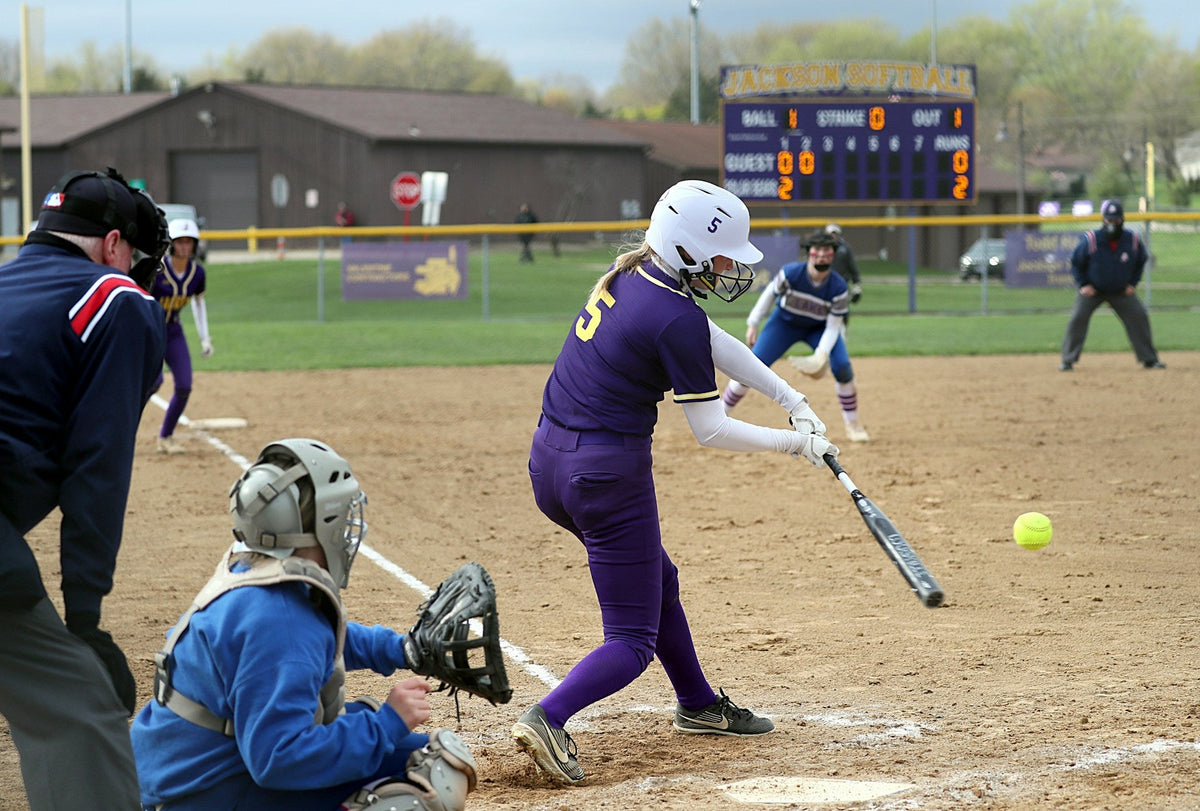
Pitching in softball and baseball may look similar, but there are several important differences that parents, coaches, and players should know. Strong technical skills and equipment are necessary for both sports, but pitching is treated very differently in each. Compared to baseball’s overhand approach, softball pitching requires a different set of mechanics and abilities. Pitching machine Baseballs and Softballs – Hey Bata can help tailor training and different equipment choices to enhance performance and prevent injuries.
For those participating in young sports, it is particularly crucial to understand these differences as they can influence choices for training and equipment purchases. Understanding the differences between these two pitching styles gives you a competitive advantage, whether you’re a coach trying to maximize your team’s performance or a parent trying to encourage your child’s sports endeavors.
The Basics of Baseball and Softball Pitching
Baseball and softball pitchers’ styles and tactics differ significantly, which affects how players practice and perform. The underhand pitch in softball uses the entire arm in a smooth action and mostly calls for a wrist snap. The overhand throw in baseball, which stresses arm and shoulder strength with a more segmented action, stands in stark contrast to this. To succeed on the field, softball pitchers often acquire unique muscle groups and techniques.
The types of pitches and pitching ranges are another significant distinction. Baseball pitchers have a high mound and a sixty-foot, six-inch distance to the plate, but softball pitchers stand on a flat mound and typically pitch from a forty-three-foot distance. Because of these variations, softball pitchers frequently have less time to respond to a batter’s swing, which affects the pitches’ speed and style.
If you look more closely at the styles, you may see that softball pitchers frequently use spins like the rise, drop, and screwball to take use of the various movement possibilities their pitches can produce. Baseball pitchers may concentrate on fastballs, curveballs, and sliders in the meantime.
Here’s a brief explanation of the differences between softball and baseball pitching:
- Pitching Style: Overhand in baseball and underhand in softball.
- Distance: Baseball (60 feet, 6 inches) is longer than softball (43 feet).
- Mound: Elevated in baseball, flat in softball.
Understanding these components can help individuals who coach or assist young athletes, enabling them to carefully plan practice sessions and equipment purchases. Knowing the fundamental distinctions also puts players in a position to develop specialized abilities that improve their effectiveness in-game.
Differences in Pitching Equipment
Baseball and softball pitching mechanics differ, but equipment changes are also important. The way that different tools can impact performance is amazing. The ball itself is the most noticeable distinction. Baseballs are nine inches in circumference, whereas softballs are usually twelve inches. This size affects the choice of glove as well as grip and throw mechanics. To handle the larger ball, softball gloves typically include a larger pocket, which is essential for effective fielding and catching.
Another crucial piece of gear is pitching machines, which are made uniquely for every activity. In order to provide a more accurate pitch recreation, a softball machine must manage the particular weight and size of a softball. In the meantime, baseball-specific equipment concentrates on producing quick and accurate pitches, such as curveballs and fastballs. These tools are essential to practice sessions since they allow players to hone their skills on pitches they will face in games.
Effects on Performance and Training
Different equipment configurations result in different training regimens and tactics, which have a significant impact on how players advance their abilities. For example, how players adapt to different pitch types can depend on the sort of pitching machine used in each sport. While a softball player could concentrate on adjusting to different speeds and spins, a baseball player might concentrate on hitting fast pitches.
About the Author